
Content Repurposing Hacks for Maximum Reach
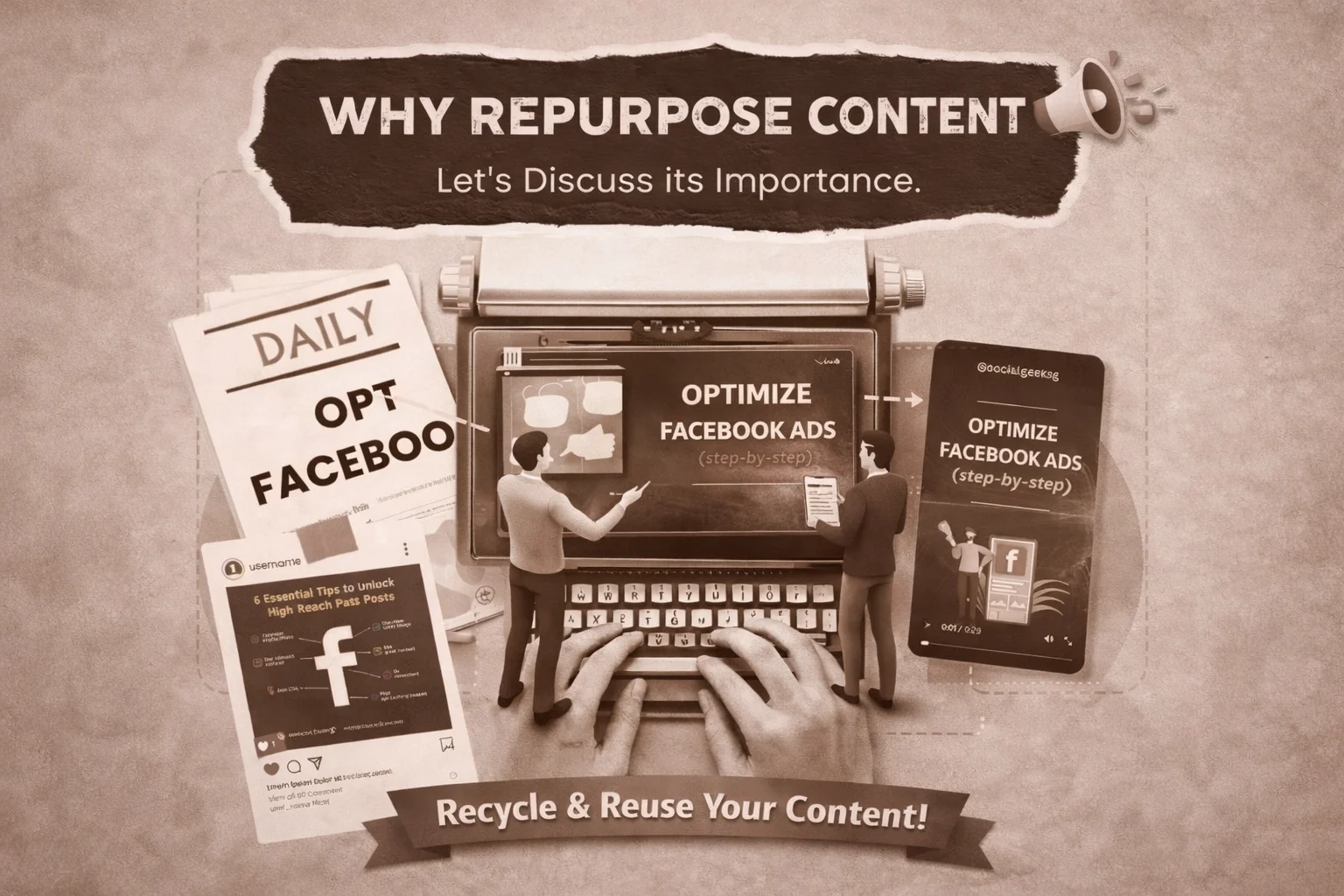
Creating high-quality content takes time, effort, and strategy. But many brands make the mistake of using their content only once and then moving on to the next idea. Content repurposing solves this problem by helping you reuse existing content in multiple formats and platforms, allowing you to reach a wider audience without constantly creating new material. When done correctly, repurposing improves visibility, boosts engagement, strengthens brand consistency, and maximizes the return on your content investment.
Start With Evergreen, High-Performing Content
The best content to repurpose is evergreen content—blogs, videos, or guides that stay relevant over time. Analyze your website and social media analytics to identify content that performs well in terms of traffic, engagement, or conversions. These pieces already resonate with your audience, making them perfect candidates for repurposing. By building multiple formats from proven content, you ensure higher reach and better performance across platforms.
Turn Blog Posts Into Multiple Content Formats
A single blog post can be transformed into several content types. You can convert key points into social media posts, create carousels for Instagram or LinkedIn, design infographics for Pinterest, or turn the content into a short script for videos and reels. This approach helps you distribute the same idea in different ways, ensuring your message reaches users who prefer reading, watching, or scrolling
Repurpose Long-Form Content Into Short-Form Assets
Long-form content such as blogs, webinars, podcasts, or YouTube videos can be broken down into bite-sized pieces. Short clips, quotes, stats, and tips can be shared as reels, shorts, tweets, or stories. Short-form content is highly shareable and performs exceptionally well on platforms like Instagram, YouTube Shorts, and LinkedIn. This strategy keeps your content active and visible without creating new ideas from scratch
Transform Videos Into Text-Based Content
Video content offers endless repurposing opportunities. You can convert videos into blog posts, captions, email content, or downloadable guides by using transcripts. A single video can generate multiple articles, social posts, and email newsletters. This not only saves time but also improves accessibility and SEO by adding more indexable text content to your website.
Create Infographics for Visual Learners
Infographics are powerful tools for repurposing content, especially for audiences who prefer visuals. You can transform data, statistics, or step-by-step guides from blogs into easy-to-understand visuals. Infographics perform well on Pinterest, LinkedIn, and blogs, and they are often shared by other websites, helping you gain backlinks and increase organic reach.
Use Quotes and Micro-Content for Social Media
Every long-form piece contains valuable insights that can be turned into quotes or short tips. Highlight impactful statements, expert opinions, or actionable advice and convert them into branded quote graphics or text posts. Micro-content works well on platforms like Instagram, X (Twitter), and LinkedIn, keeping your brand visible and consistent while reinforcing your expertise.
Repurpose Content for Email Marketing
Email marketing is often overlooked in content repurposing strategies. You can turn blog content into weekly newsletters, tips, or educational email sequences. Summarize key points, add a call to action, and link back to the original content. This helps nurture your audience, drive repeat traffic, and build long-term relationships with subscribers
Adapt Content for Different Platforms
Each platform has its own content style, audience behavior, and format preferences. Repurposing is not about copying and pasting—it’s about adapting. A LinkedIn post may require a professional tone, while Instagram needs visuals and short captions. YouTube content can be longer and educational, while reels and shorts should be quick and engaging. Customizing content for each platform ensures better performance and higher engagement
Leverage User-Generated and Community Content
User-generated content such as testimonials, reviews, comments, and case studies can be repurposed across platforms. Convert reviews into social proof posts, testimonials into stories or reels, and success stories into blog case studies. This type of content builds trust, increases credibility, and encourages more audience participation
Update and Refresh Old Content
Content repurposing also includes refreshing outdated content. Update statistics, add new insights, optimize for SEO, and republish older blogs or videos. You can also reshare updated content on social media as “updated guides” or “latest insights.” This keeps your content relevant and improves search engine rankings without creating new content from scratch.
Schedule and Automate Content Distribution
To maximize reach, content repurposing should be supported by scheduling and automation tools. Plan how and when each repurposed asset will be shared across platforms. Consistent posting improves brand visibility and ensures your content reaches audiences in different time zones. Automation saves time and helps maintain a strong online presence
Measure Performance and Optimize Strategy
Tracking performance is essential for successful content repurposing. Monitor metrics such as engagement, reach, traffic, and conversions for each content format. Identify which platforms and formats perform best and optimize your strategy accordingly. Continuous improvement ensures that your repurposing efforts deliver maximum impact
Work Smarter, Not Harder
Content repurposing is one of the smartest strategies in digital marketing. Instead of constantly creating new content, you amplify the value of what you already have. By adapting content into multiple formats, platforms, and styles, you increase visibility, engagement, and brand authority. With a strategic approach, content repurposing helps you achieve maximum reach while saving time, effort, and resources.