
AI-Powered Graphic Design in Digital Marketing: The Future of Visual Storytelling
Graphic design has always been the backbone of digital marketing. From social media creatives to website banners and ad visuals, strong design determines whether a brand gets noticed or ignored. In 2026, one of the most trending topics in graphic design for digital marketing is AI-powered design and smart visual automation. Artificial Intelligence is no longer just a tech buzzword; it has become a practical tool that designers and marketers use daily to create faster, smarter, and more personalized visuals. Businesses are now blending creativity with AI tools to produce high-quality graphics that attract attention, improve engagement, and increase conversions.
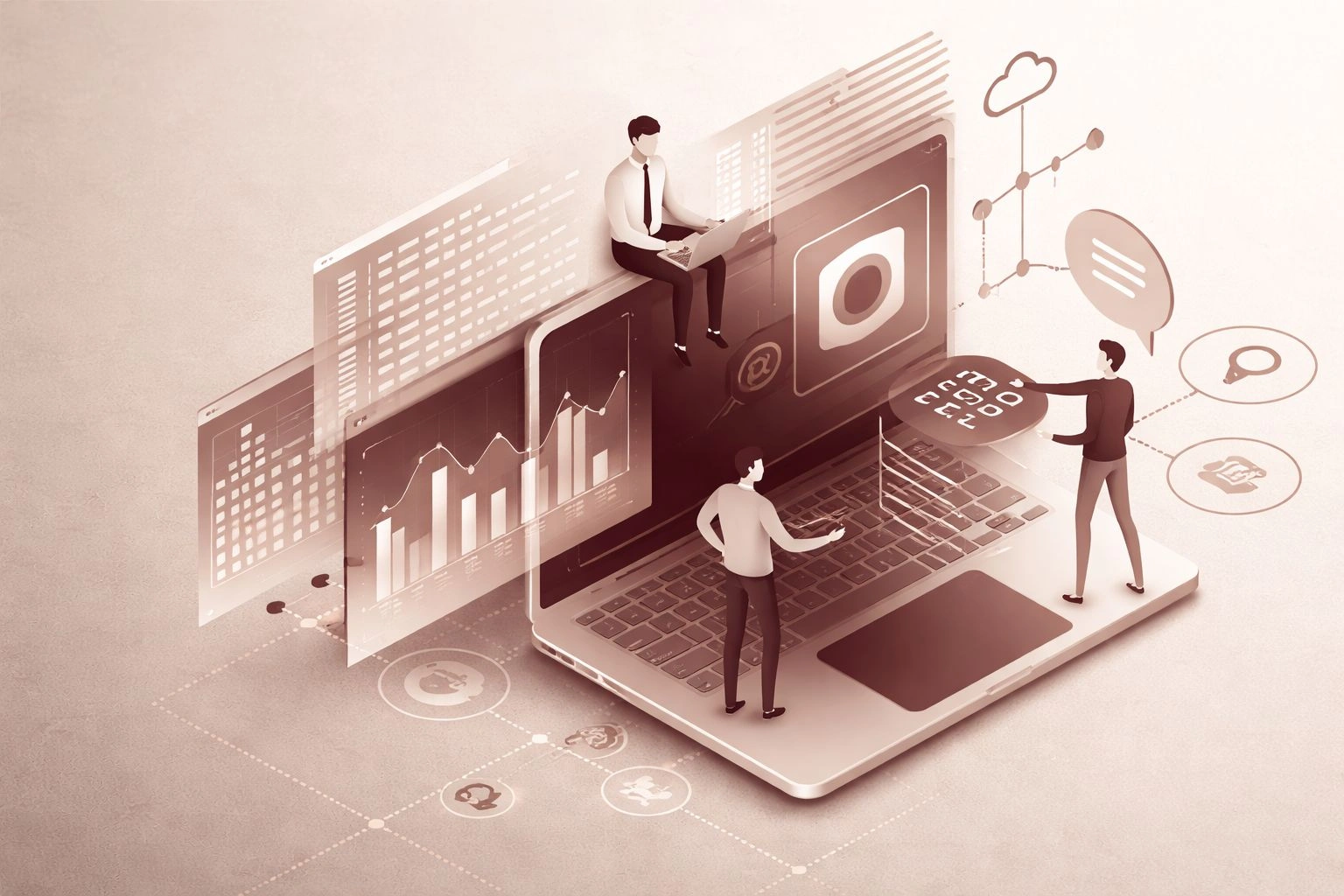
The Rise of AI in Graphic Design
AI-driven tools like Canva, Adobe Firefly, and Midjourney are transforming the way marketing visuals are created. These platforms allow designers to generate images, edit backgrounds, create brand kits, and even produce complete ad creatives within minutes. What once required hours of manual work can now be achieved in a fraction of the time. This shift is especially important in digital marketing, where trends change quickly and brands must respond instantly with fresh, relevant content. AI helps marketers maintain consistency while also experimenting with new creative directions.
Personalization Through Smart Design
One of the biggest advantages of AI in graphic design is personalization. Digital marketing thrives on targeted communication. With AI-powered design tools, brands can now create multiple variations of a single ad tailored to different audience segments. For example, a campaign can automatically adjust colors, images, or text styles based on user preferences or demographics. This level of personalization increases engagement because customers feel that the content speaks directly to them. In a competitive digital environment, personalized design is no longer optional—it is a necessity
Faster Content Production for Social Media
Social media platforms demand constant content updates. Whether it is Instagram posts, Facebook ads, LinkedIn carousels, or YouTube thumbnails, marketers need a steady flow of creative assets. AI-powered design simplifies this process. Templates, smart resizing features, and automated layout suggestions help maintain brand consistency across multiple platforms. Designers can quickly adapt one creative into various formats without starting from scratch. This speed ensures brands stay active, relevant, and competitive in the fast-moving digital landscape.
Data-Driven Design Decisions
Another major trend is combining graphic design with analytics. AI tools analyze engagement metrics such as click-through rates, likes, shares, and conversions to suggest design improvements. For instance, if bold typography performs better than minimal text, AI can recommend similar styles for future campaigns. This data driven approach removes guesswork from design strategy. Instead of relying only on creativity, marketers can now back their design choices with measurable insights. This results in more effective campaigns and higher return on investment.
Motion Graphics and Micro-Animations
Static designs are slowly giving way to dynamic visuals. Motion graphics and micro-animations are trending in digital marketing because they capture attention quickly. AI tools now assist in creating animated posts, short video ads, and interactive elements without advanced technical skills. These moving visuals increase engagement, especially on platforms where users scroll rapidly. Even small animations—like a subtle text movement or button effect—can significantly enhance user experience and brand perception.
Ethical Considerations and Authenticity
While AI brings efficiency, it also raises concerns about originality and authenticity. Overusing AI-generated visuals can make brands look generic if not guided by human creativity. The most successful digital marketing campaigns balance AI efficiency with creative storytelling. Designers must ensure that visuals align with brand identity and emotional messaging. Authentic design builds trust, and trust drives conversions. Therefore, AI should support creativity, not replace it.
The Future of Graphic Design in Digital Marketing
The future of graphic design in digital marketing is a collaboration between humans and intelligent tools. AI will continue to evolve, offering smarter automation, predictive design suggestions, and deeper personalization capabilities. However, creativity, strategic thinking, and emotional understanding will remain human strengths. Brands that embrace AI while maintaining a strong creative vision will stand out in crowded digital spaces.
In conclusion, AI-powered graphic design is not just a trend it is shaping the future of digital marketing. Faster production, personalized visuals, data-backed improvements, and dynamic content formats are redefining how brands communicate online. Businesses that adapt to this transformation will experience stronger engagement, improved brand visibility, and sustainable growth in the digital era.
Graphic Design Trends Every Marketer Should Watch in 2026 give 800 words paragaph with subhead
Authentic and Human-Centered Design
Consumers in 2026 value authenticity more than ever. Overly polished and generic stock visuals are losing effectiveness. Instead, brands are adopting raw, relatable, and human-centered design approaches. Natural lighting, candid photography, handwritten fonts, and real customer imagery are trending because they build trust and emotional connection. Graphic design is shifting from perfection to personality. Marketers are focusing on storytelling through visuals that reflect real experiences and genuine brand values. This authenticity helps brands differentiate themselves and create stronger community engagement.
Inclusive and Accessible Design
Inclusivity is no longer optional; it is essential. Marketers are paying closer attention to accessibility in graphic design by using readable fonts, high-contrast color combinations, and clear visual hierarchies. Inclusive visuals represent diverse cultures, body types, and lifestyles, ensuring that broader audiences feel seen and respected. Accessibility also improves overall user experience, making content easier to understand for people with visual impairments or cognitive challenges. In 2026, brands that prioritize inclusive design demonstrate social responsibility and gain stronger customer loyalty.
Retro-Futurism and Experimental Typography
A unique blend of nostalgia and futuristic aesthetics is trending this year. Retro-futurism combines vintage color palettes and classic design elements with modern digital effects. Experimental typography is also gaining attention, with designers playing creatively with text layouts, distortions, and layering techniques. These bold approaches create memorable visuals that stand out in digital spaces. However, marketers must balance creativity with clarity to ensure readability and brand consistency. When executed strategically, retro-futuristic designs evoke emotion while maintaining a modern edge.
Data-Driven Visual Strategy
Graphic design in 2026 is heavily influenced by performance data. Marketers are analyzing engagement metrics, click-through rates, and heatmaps to understand how users interact with visuals. This data-driven approach helps refine color choices, layout structures, and call-to-action placements. Rather than relying solely on intuition, brands are combining analytics with creativity to maximize campaign effectiveness. This strategic integration ensures that design decisions contribute directly to measurable marketing outcomes.
Sustainable and Eco-Inspired Aesthetics
Sustainability is influencing design trends as well. Earthy color palettes, organic shapes, and eco-inspired visuals reflect growing environmental awareness among consumers. Brands are using these design elements to communicate responsibility and ethical values. Even digital campaigns incorporate sustainability themes to align with audience expectations. Graphic design becomes a medium not just for selling products but also for expressing brand purpose and commitment to positive change.